


2026 RIIFF Filmmaker Spotlight Series: Animalia, directed by Marius Rolfsvåg
Article Written By Marina Muradian
In the short Animalia, director Marius Rolfsvåg imagines a post-apocalyptic world where nature has reclaimed earth in which humans have transformed into animals leaving a few survivors sheltered inside a city. When the protagonist Alm ventures beyond its walls to rescue newborns, an adventure directly challenges the boundaries between humans and animals. Blending science fiction with the timeless qualities of a fable, Rolfsvåg’s first major independent project explores humanity’s relationship with the natural world. I had the pleasure of interviewing Rolfsvåg and questioning his approach to building a world as unique as this one.
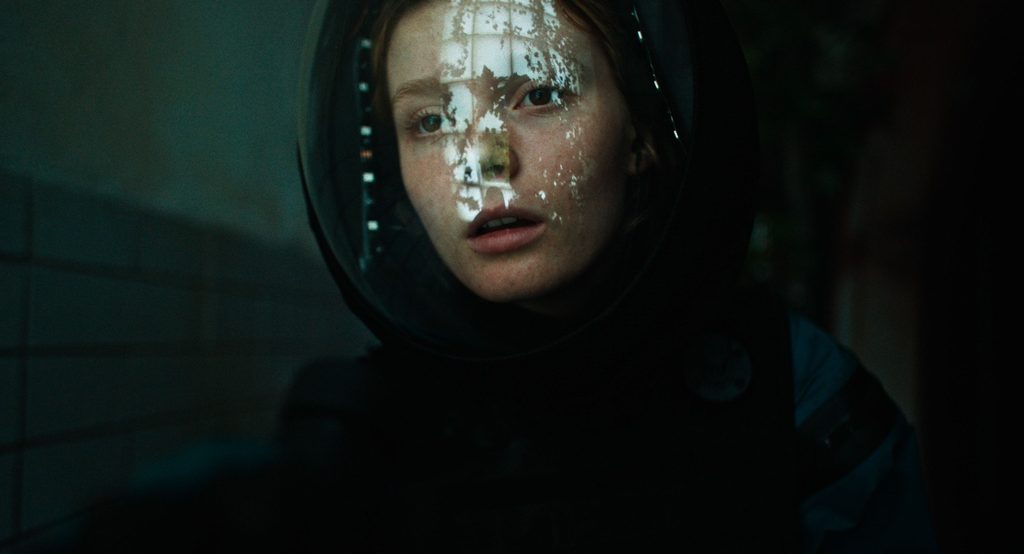
What sparked the idea for this film?
Rolfsvåg: The film is based on a trilogy of novels called ALM. Specifically the first book. The Law of Breathing. This is a sequence that we have transformed into a short film. We have had creative freedom and changed certain things but the basic premise and rules of the universe are the same but we have changed the narrative somewhat.
What drew you to this particular story? And why did it feel important to tell it now?
Rolfsvåg: I was drawn to this because it aligns with something I feel is just interesting. This story–because I read all the novels the scriptwriter of the film is the writer of all three novels. He has the IP on everything and so we wrote this manuscript together. He’s super cool and open to changing things. When I read the story the essence and empathy within the book was really fascinating as well as the idea of the human race as a virus. The complicated question that there
is so much good in us as we try to save the planet as we are destroying it. We haven’t chosen to be humans and if there’s anyone to blame its evolution. I just like the questions regarding how far we are willing to go to survive.
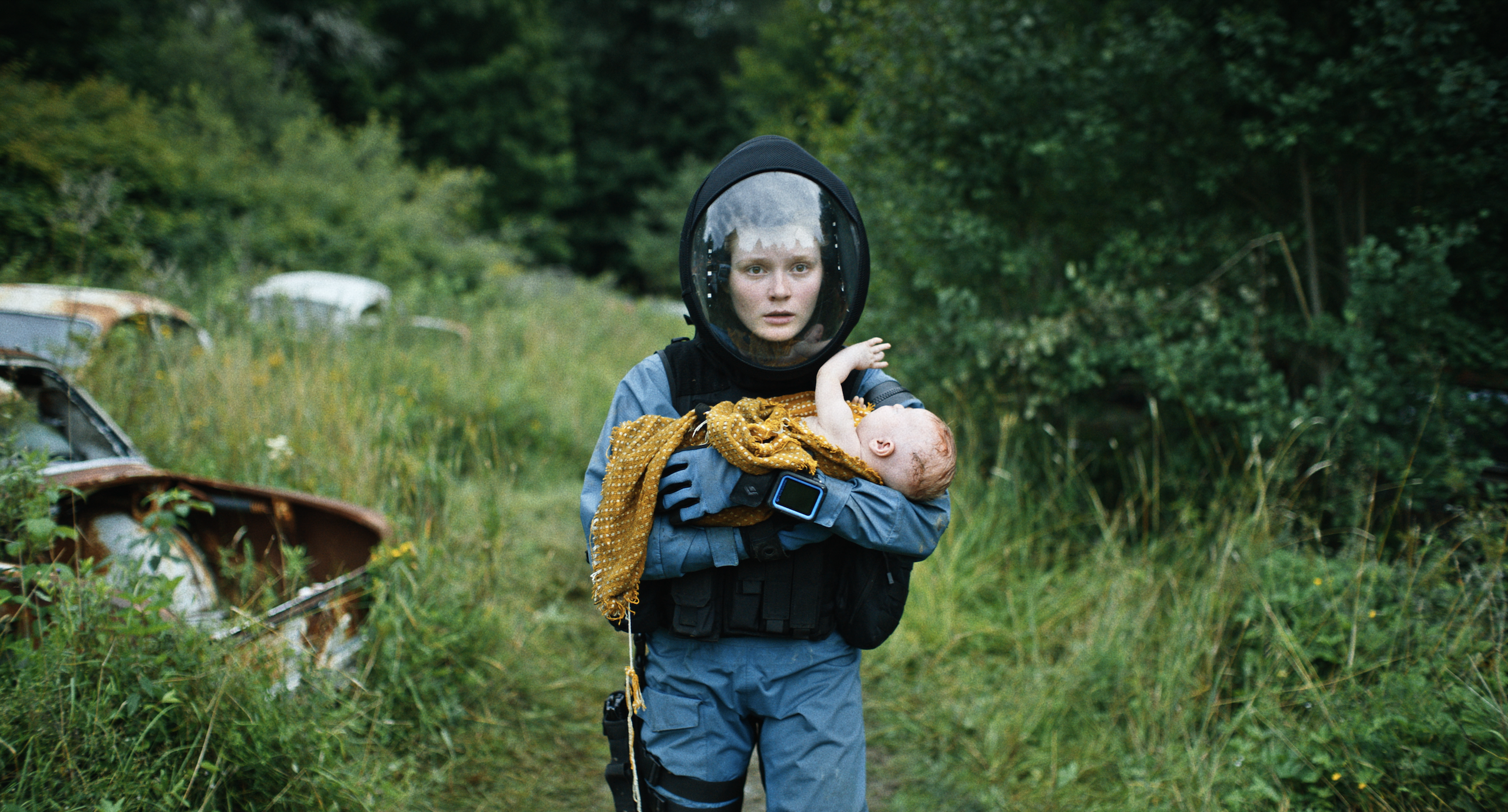
As a sci-fi piece there are bound to be creative challenges. What was the biggest challenge you encountered making the film? How did you navigate it?
Rolfsvåg: The physical elements and the location. Really just the practical stuff. It was hard to write the story but it was hard to get financing because when you create this kind of world it costs money. It was a lot of compromising and also very hard on set. It was a lot of traveling to find different locations to make this world feel complete.
What was the collaboration between you and your cinematographer like? How did you work together to develop the film’s visual atmosphere?
Rolfsvåg: I look at myself as an audio visual storyteller. That comes first. I have to construct the visual style of the film like when I close my eyes I can almost play the film in my head. Visually, my collaboration with my cinematographer was great as he is incredibly patient and creatively we just synched. We had storyboards and references but it really was our two intuitions merging
together and finding our style together. The style just emerged from what the story really needed.
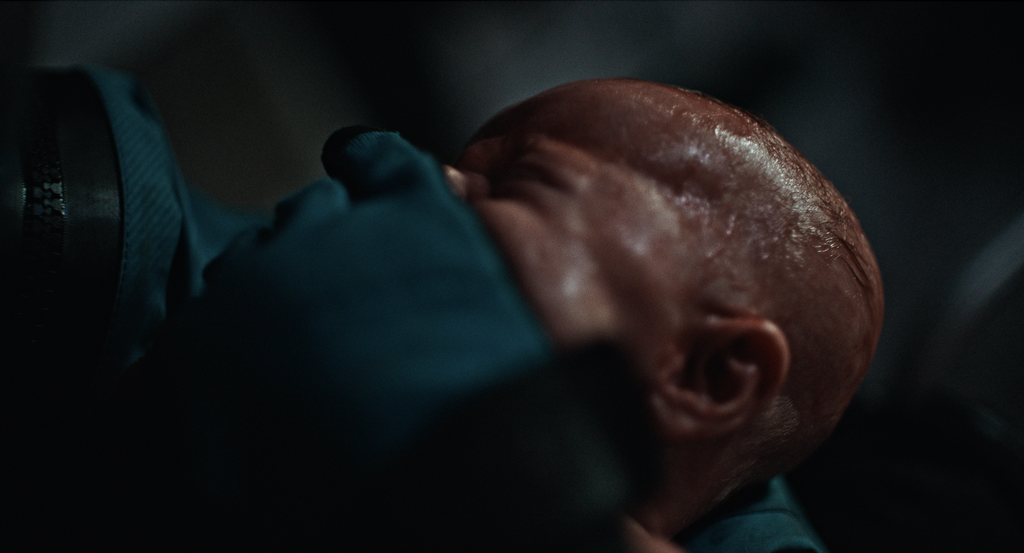
What has been the most rewarding part about sharing this film with audiences so far?
Rolfsvåg: It’s always nice when people like what you do. It’s been an interesting process because we have applied for many festivals and some rejected us while some praised the film. It’s always motivating when people talk about the film and catch what we were trying to make and like it for that reason. It’s a long, long process and we have been making this for a couple years and when
it’s out it’s a bit anticlimactic but after a while when you can see it from a distance it’s nice that it gets some traction and wins some awards and people get to see it. It’s always a nice reward when some people like it.
